August 27, 2026
When an injury disrupts daily life, returning to normal activities can require more than rest and time. Pain, weakness, stiffness, and reduced mobility may make work, exercise, household responsibilities, and recreational activities more difficult. For many individuals, physical therapy provides a structured approach to recovery by addressing the specific limitations created by an injury. Treatment can help patients gradually restore movement, rebuild strength, and develop safer movement patterns while working toward practical goals that matter in everyday life.
Recovery is rarely identical from one person to another. The type and severity of an injury, overall health, activity level, age, and personal goals can all influence rehabilitation. A therapist considers these factors when recommending exercises, hands-on techniques, education, and other interventions. Rather than focusing only on temporary symptom relief, physical therapy often emphasizes improving function and helping patients develop habits that support long-term mobility and injury prevention.
Understanding the Role of Rehabilitation
A rehabilitation program is designed to help the body regain abilities that may have been affected by an injury, surgery, illness, or period of inactivity. Physical therapy focuses on movement and function, with treatment commonly addressing strength, flexibility, balance, coordination, endurance, and range of motion. Depending on the condition, patients may need help performing basic movements or may be working toward more demanding goals such as returning to a sport or physically intensive occupation.
Therapists typically use a combination of clinical evaluation and patient feedback to determine which movements are limited and what factors may be contributing to discomfort. For example, weakness in one muscle group can cause another area to compensate during walking, lifting, or reaching. Identifying these patterns can help the therapist develop a program that addresses more than the location where pain is felt.
Beginning With a Detailed Assessment
An initial evaluation provides the foundation for a personalized recovery plan. The therapist may review the patient's medical history, injury circumstances, symptoms, daily activities, and previous treatments. Questions about when discomfort occurs and which movements make symptoms better or worse can provide important information about how the injury is affecting normal function.
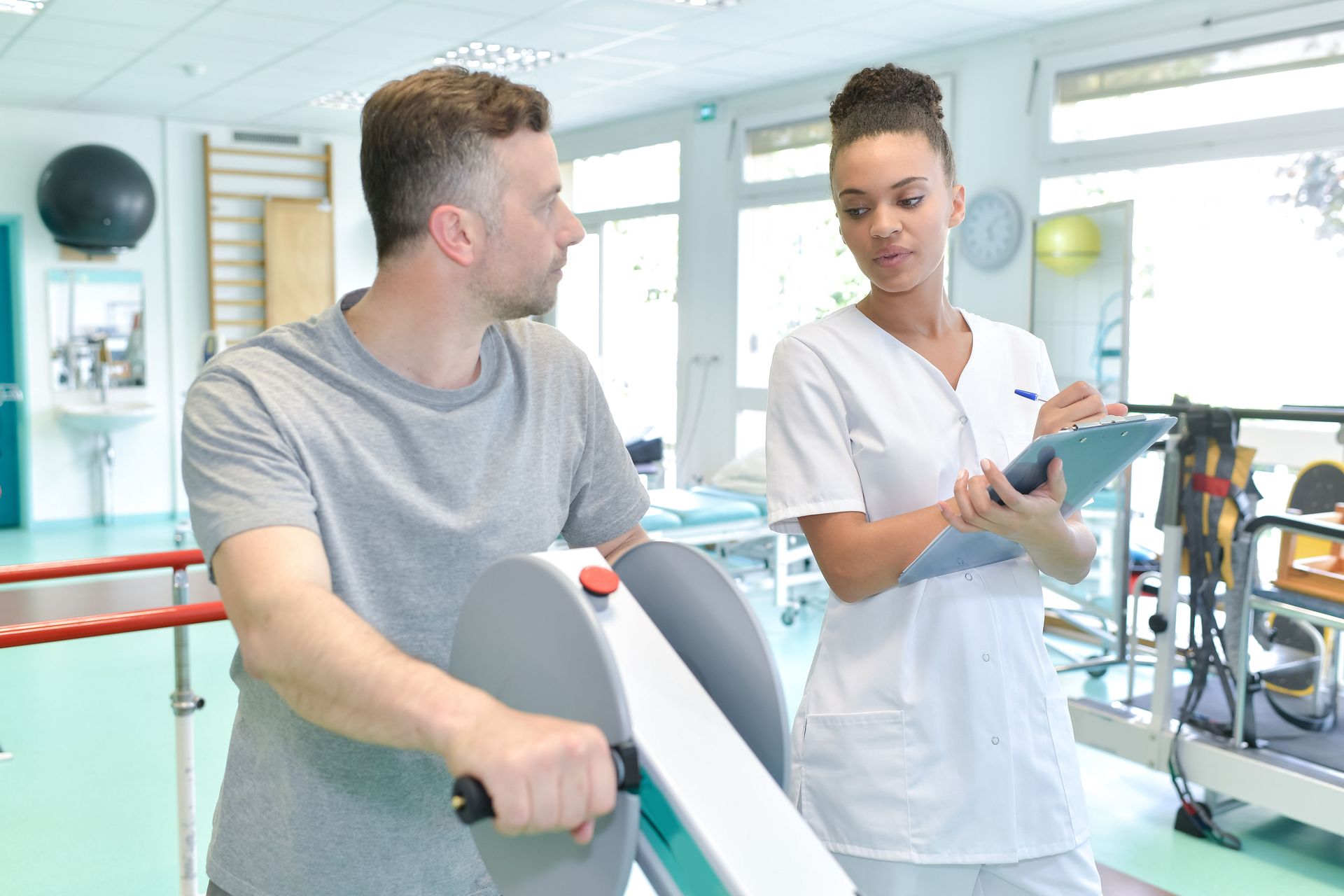
The physical examination may include measurements of strength, flexibility, balance, posture, joint mobility, and range of motion. Therapists may also observe walking, bending, lifting, reaching, or other movements related to the patient's daily responsibilities. These observations establish a baseline that can later be compared with new measurements to determine whether treatment is producing meaningful improvement.
Creating an Individualized Treatment Plan
Once the evaluation is complete, the therapist can develop a treatment strategy based on the patient's limitations and objectives. Personalized planning is important because two people with similar injuries may have very different functional needs. An office employee recovering from a knee injury, for example, may have different goals from an athlete who needs to return to running, jumping, and rapid changes in direction.
A physical therapy plan may include strengthening exercises, mobility work, stretching, balance activities, movement training, and education. Treatment intensity can be adjusted according to the person's current abilities. Exercises that are appropriate early in rehabilitation may eventually be replaced with more challenging activities as strength and control improve. This gradual progression helps patients build capacity without unnecessarily overwhelming healing tissues.
Using Exercise to Restore Strength and Mobility
Therapeutic exercise is a major part of many rehabilitation programs because inactivity following an injury can contribute to weakness, stiffness, and reduced endurance. Carefully selected movements can help restore muscle function while improving the body's ability to tolerate everyday activities. Exercises may initially focus on controlled, low-impact movements before progressing to tasks that more closely resemble work, sports, or recreational demands.
Flexibility and mobility exercises can also be important when stiffness limits normal movement. Improving joint range of motion may make activities such as walking, climbing stairs, reaching overhead, or getting in and out of a vehicle more comfortable. The therapist can monitor technique and modify exercises when necessary, helping patients avoid compensatory movements that could place additional stress on other parts of the body.
Incorporating Hands-On Treatment Techniques
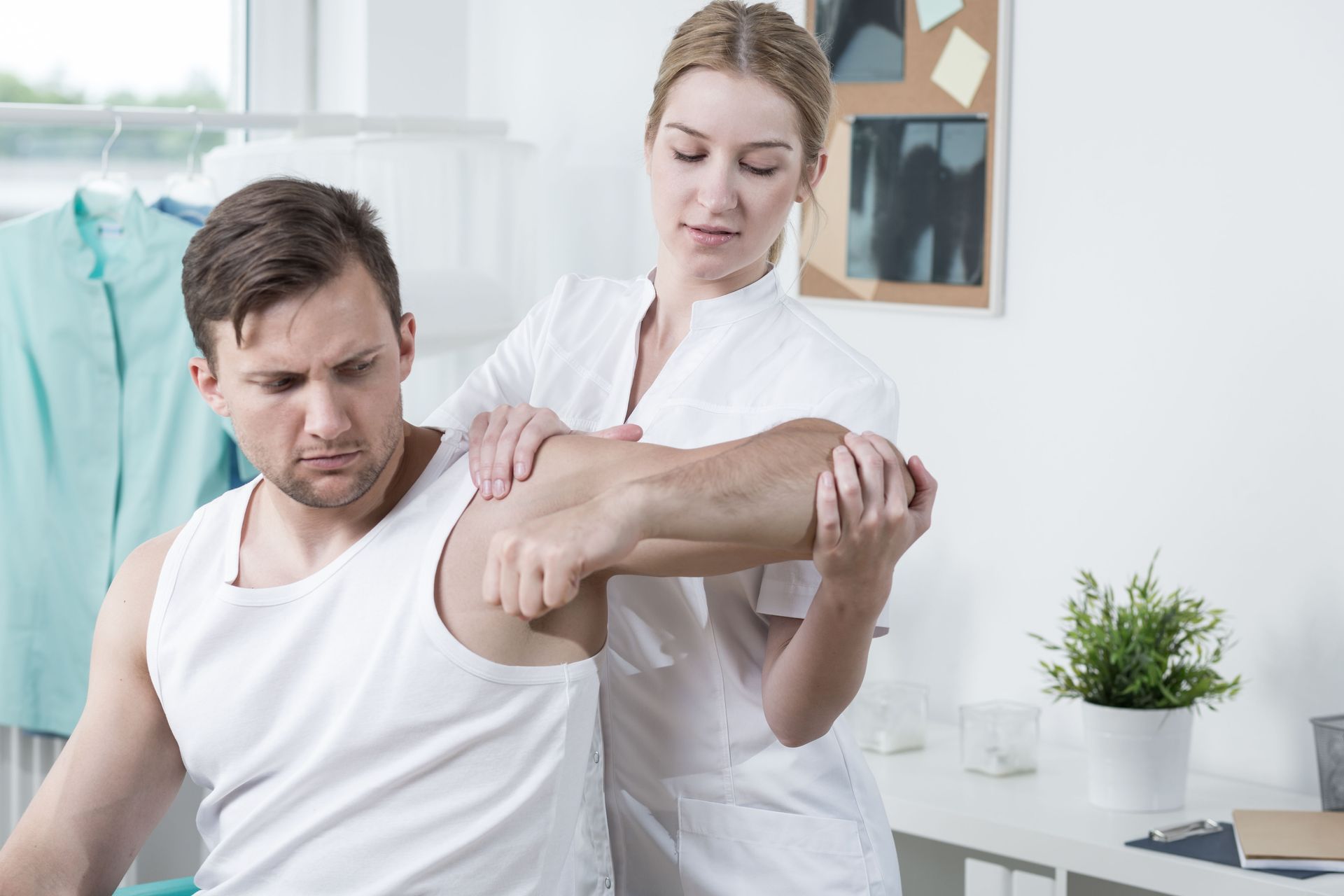
Some rehabilitation programs include manual techniques performed by the therapist. These methods may involve joint mobilization, guided stretching, or soft-tissue techniques intended to improve movement and address restrictions. Hands-on treatment is generally used as part of a broader program rather than as a substitute for active rehabilitation.
The appropriate technique depends on the patient's condition, tolerance, and treatment goals. A therapist can determine whether manual treatment is useful based on the evaluation and ongoing response to care. When combined with exercise and movement training, these techniques may help patients become more comfortable performing the activities necessary to rebuild strength and function.
Understanding the Science Behind Treatment
Rehabilitation techniques draw on knowledge of anatomy, biomechanics, physiology, and the way the nervous and musculoskeletal systems coordinate movement. According to Forbes, orthopedic rehabilitation can address conditions affecting the neuromusculoskeletal system, which involves interactions among nerves, muscles, joints, and other structures responsible for purposeful movement. Understanding these relationships helps therapists evaluate why a movement may be painful or inefficient rather than focusing solely on the symptom itself.
Evidence and clinical research also influence how treatment programs are developed. Therapists may modify exercise volume, resistance, movement speed, or complexity according to a patient's progress. This measured approach allows rehabilitation to evolve as the body heals and functional abilities improve.
Supporting Balance, Coordination, and Movement Control
Some injuries affect more than strength. They may also interfere with balance, coordination, and awareness of body position. These limitations can be particularly important after lower-extremity injuries because poor control may increase the risk of falls or repeated injury. Balance exercises can challenge the body to maintain stability under increasingly demanding conditions.
Activities might include standing on one leg, shifting weight in different directions, stepping over obstacles, or performing controlled movements on varied surfaces. More advanced exercises can incorporate movements that resemble the patient's work or recreational activities. The goal is to help the nervous and muscular systems coordinate efficiently so that movement becomes more stable and confident.
Setting Practical and Measurable Recovery Goals
Goal setting gives rehabilitation a clear direction. Instead of simply aiming to "feel better," patients and therapists can establish measurable objectives related to daily function. Goals might include walking a particular distance comfortably, returning to work duties, climbing stairs independently, improving a specific range of motion, or safely participating in a favorite activity.
These objectives also make it easier to evaluate progress. Small improvements in strength, mobility, balance, or endurance can demonstrate that the program is moving in the right direction even when complete recovery takes time. When progress slows or symptoms change, the therapist can reassess the plan and determine whether exercises, frequency, or treatment strategies should be modified.
Recognizing the Importance of Patient Education
Education is another important part of physical therapy because recovery continues outside scheduled appointments. Therapists can explain how an injury affects movement, why particular exercises have been selected, and what activities may need temporary modification. Understanding the purpose behind treatment can make it easier for patients to participate consistently and recognize how everyday habits influence recovery.
Patients can also apply lessons from rehabilitation to future exercise, work, and recreation. Proper warm-ups, gradual increases in activity, appropriate lifting techniques, and consistent conditioning can all contribute to safer movement. By combining professional guidance with active patient participation, rehabilitation can support both immediate recovery and the development of habits that promote lasting mobility and function. Contact our team at Onofray Physical Therapy today and learn more about our physical therapy services.