October 5, 2026
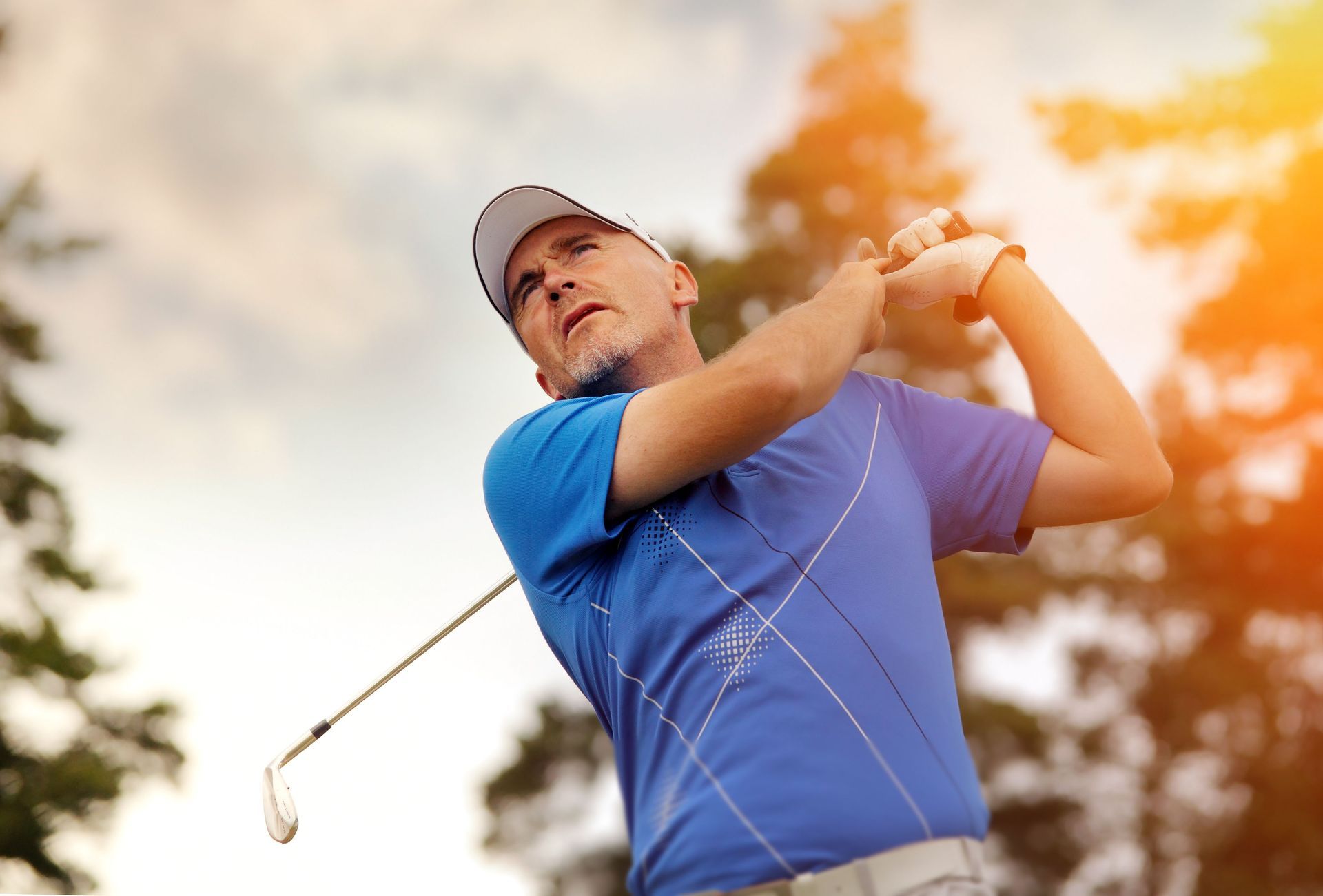
Golf appears to be a relaxing sport on the surface, yet executing a precise swing demands a complex blend of flexibility, strength, and biomechanical precision. Every phase of the motion requires harmonious coordination between the upper body, core, and lower limbs. When restricted movement hinders this natural sequence, swing efficiency drops, ball contact becomes inconsistent, and the likelihood of bodily discomfort rises. Recognizing how physical constraints alter overall movement allows players to take proactive steps toward lasting performance improvements.
Addressing movement restrictions before they lead to severe joint strain is essential for golfers across all skill levels. Restricted motion forces the body to create unnatural compensations, placing excessive stress on surrounding joints and soft tissue structures. By focusing on proper movement mechanics, dynamic stability, and targeted physical conditioning, players can restore rotational capacity and protect their bodies on the course. Investing in specialized golf injury rehab services helps players overcome persistent physical barriers, refine their mechanics, and enjoy a smooth, painless game.
Understand Golf Swing Mechanics
A successful golf swing relies on a fluid kinetic chain that begins at the feet and transfers power upward through the legs, hips, core, and shoulders. Proper joint alignment and posture establish a balanced foundation, allowing rotational force to transfer seamlessly into the clubhead. When rotation in any individual joint becomes restricted, the intended swing path changes, leading to off-center ball contact, slice trajectories, and reduced distance. Comprehending these fundamental body mechanics enables players to pinpoint performance bottlenecks and systematically correct underlying movement errors.
Flexibility plays a foundational role in maintaining an optimal swing plane throughout the backswing, downswing, and follow-through phases. Ample rotational flexibility in the thoracic spine and hips allows for a complete, powerful turn without forcing the lumbar spine out of proper alignment. Without sufficient movement, golfers often compensate by overusing their hands or swaying laterally, which harms accuracy and energy transfer. Utilizing structured golf injury rehab services allows individuals to identify tight muscle groups, restore dynamic flexibility, and achieve a repetitive, powerful swing.
Identify Common Mobility Issues
Restricted movement frequently manifests in key rotational areas of the body, creating predictable swing flaws and physical discomfort. Tightness in the hip joints limits pelvic rotation, forcing the lower back to absorb excessive torsional force during the downswing phase. Shoulder stiffness restricts backswing length, while ankle tightness impairs balance and weight transfer through impact. According to the Hospital for Special Surgery, players over 50 face a higher likelihood of experiencing osteoarthritis, a joint condition caused by gradual wear and tear.
Over time, unaddressed joint stiffness causes compensatory movement patterns that fatigue surrounding muscles quickly and increase injury risk. When ankles, hips, or shoulders fail to rotate properly, the body instinctively seeks movement from adjacent joints that are not designed for heavy rotation. This compensation compromises power output, creates inconsistent ball flight, and subjects vulnerable tissues to excessive physical stress. Participating in targeted golf injury rehab services helps isolate these specific joint limitations, correct movement compensations, and restore proper rotational mechanics across the entire body.
Examine Physical and Emotional Impacts
Physical limitations affect far more than just ball flight and distance; they also influence a golfer's confidence and overall enjoyment on the course. Struggling with inconsistent contact, loss of distance, or persistent joint stiffness can cause significant frustration during a round of golf. When players feel uncertain about their physical capabilities, they often hesitate during their swing, leading to tense mechanics and further loss of control. Over time, this recurring cycle of frustration can transform a beloved recreational sport into a source of ongoing physical and mental stress.
The connection between physical discomfort and mental focus remains a critical element in athletic performance. Persistent joint discomfort distracts the brain, making it difficult to maintain concentration through long rounds on the course. Adapting movement patterns without professional guidance often exacerbates joint strain, creating a destructive feedback loop that hampers progress. Seeking comprehensive golf injury rehab services provides players with clear strategies to manage physical challenges, build body resilience, and restore mental focus on every shot.
Implement Targeted Mobility Techniques
Improving physical function requires a structured, multi-faceted approach that combines dynamic stretching, strength conditioning, and functional movement training. Dynamic warm-ups prior to play prepare joints and muscles for the demanding rotational speeds required during a round. Static stretches performed after play relieve lingering muscle tightness and promote long-term length in restricted soft tissues. Integrating core stability exercises ensures that newly gained joint range of motion is supported by strong, control-oriented muscles throughout the swing.
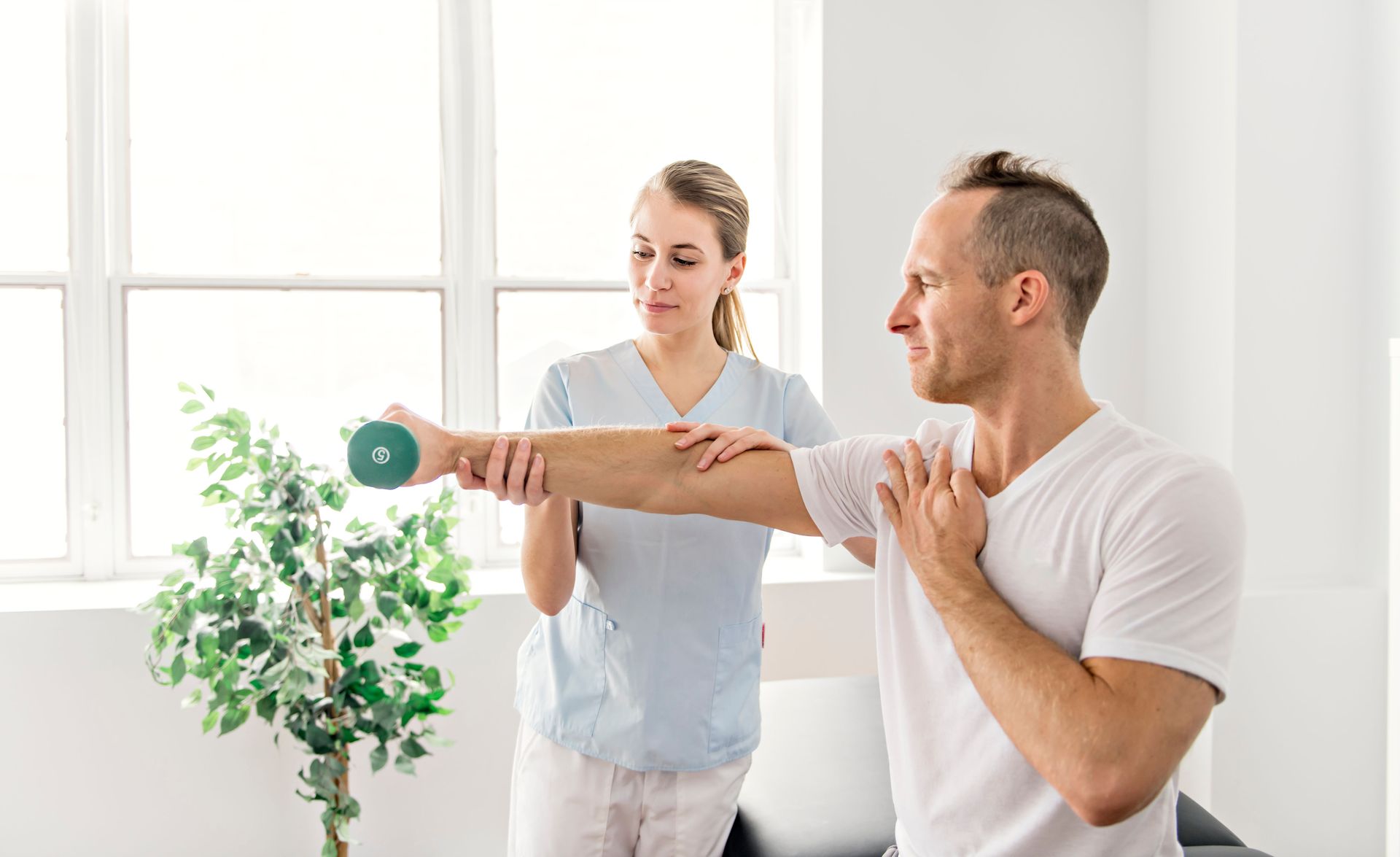
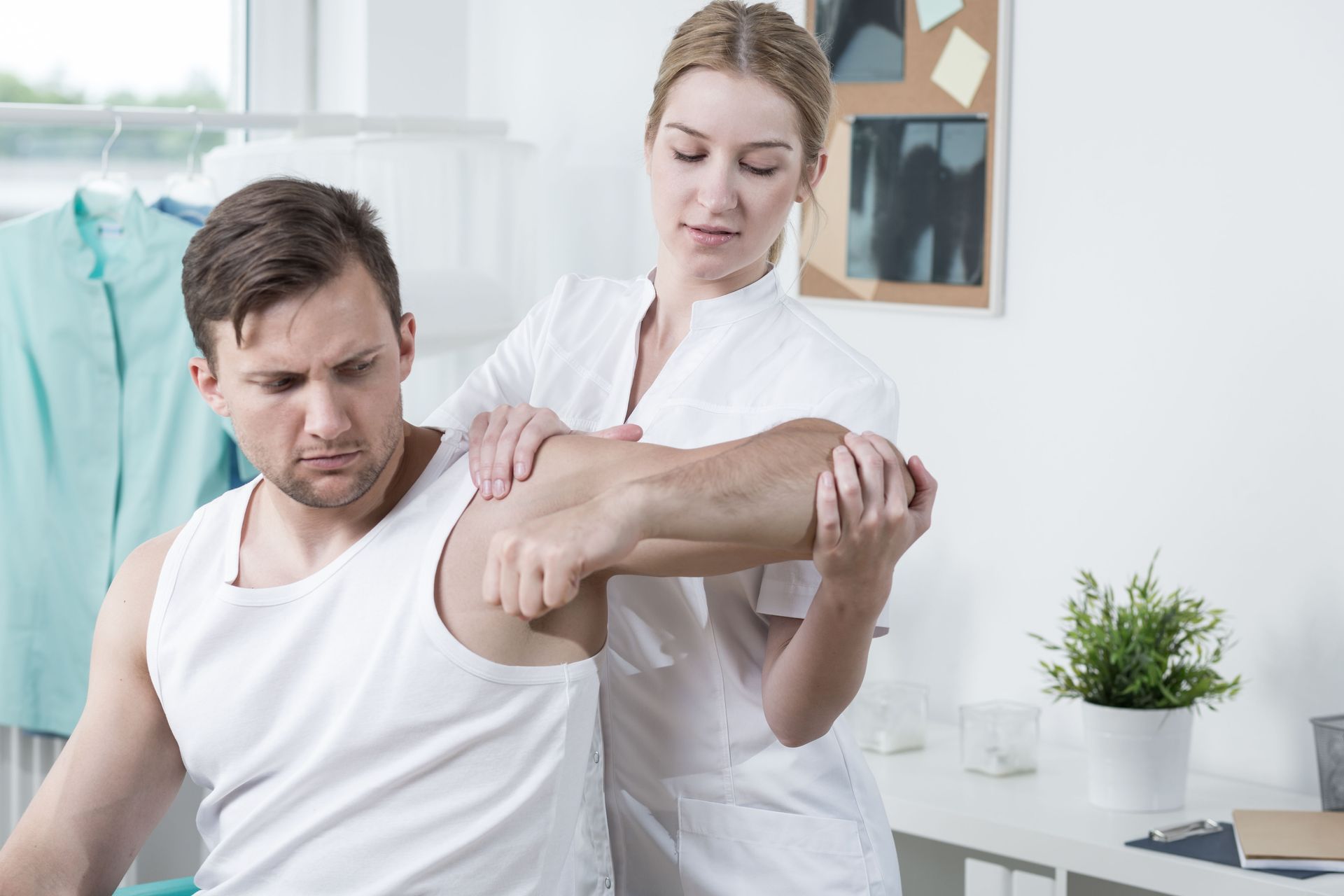
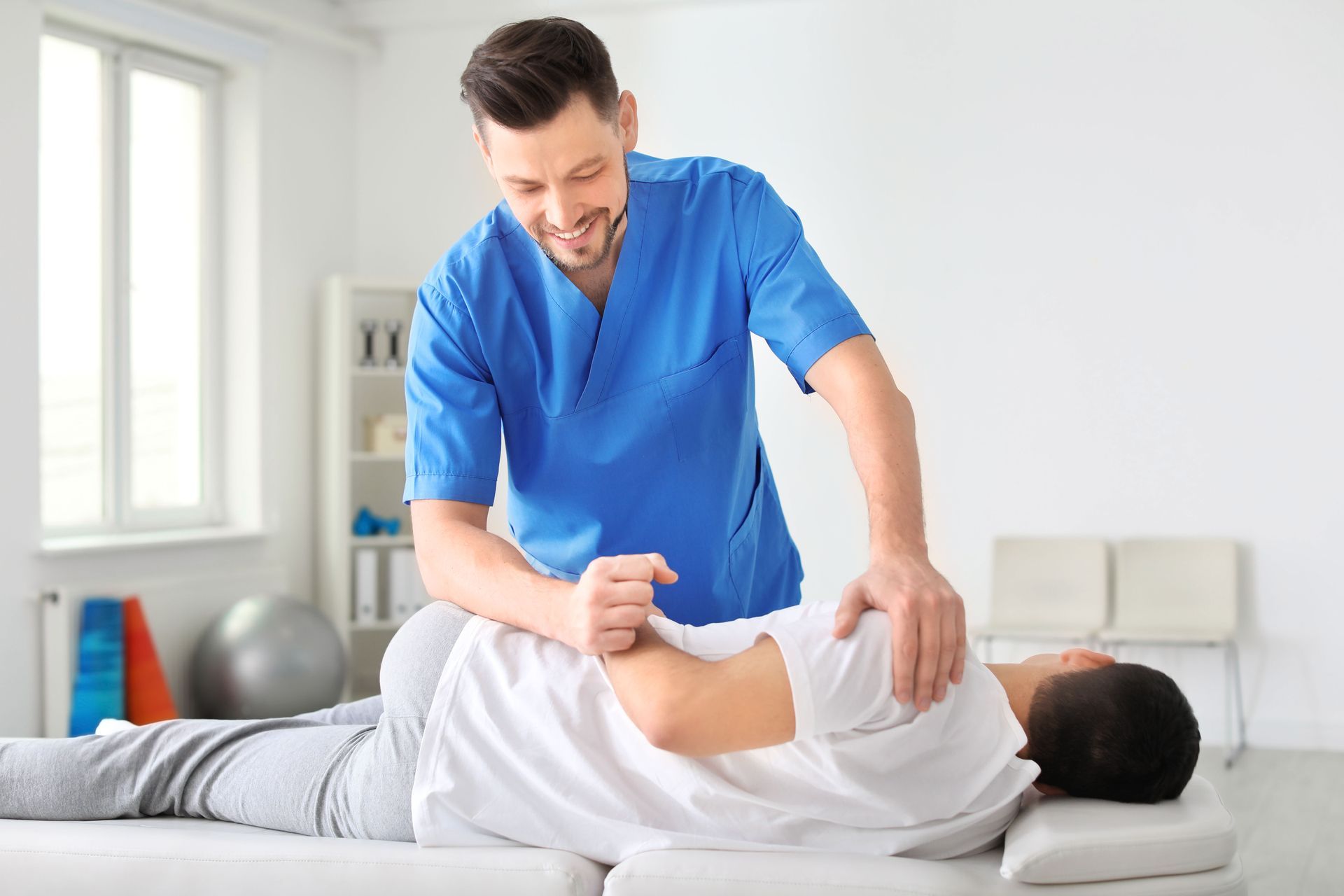
Incorporate targeted movement disciplines such as Pilates and dedicated physical therapy techniques to refine body control and postural alignment. Manual therapy methods, including myofascial release and targeted joint mobilization, effectively break up soft tissue restrictions and accelerate physical progress. Committing to professional golf injury rehab services allows individuals to receive customized movement plans tailored specifically to their unique anatomical needs. Regular movement assessments ensure that mobility gains translate directly into improved swing fluidity, balance, and power on the course.
Adopt Practical Swing Modifications
When physical restrictions exist, adjusting swing mechanics and equipment can reduce joint strain while preserving power and consistency. Choosing lighter club shafts and specialized grips reduces the physical force needed to generate clubhead speed, making swings easier to execute. Shortening the backswing length or widening the stance can also provide immediate relief to tight hips and a stiff lower back. These strategic adjustments allow players to maintain playing accuracy without pushing their joints beyond safe physical limits.
Utilizing supportive gear, such as supportive footwear and specialized joint braces, provides structural stability and reduces joint stress throughout a full round. Modifying movement patterns under expert guidance helps golfers stay active while protecting vulnerable body structures from repetitive impact forces. Integrating specialized golf injury rehab services into a regular routine ensures that swing adjustments preserve sound body mechanics and prevent further joint wear. Strategic modifications empower players to continue playing comfortably despite lingering physical limitations.
Engage Professional Guidance and Resources
Navigating physical limitations requires knowledgeable support to ensure safe, effective, and sustainable performance improvements on the course. Swing instructors and physical therapy professionals work collaboratively to evaluate movement patterns and identify the root causes of swing inefficiencies. Customized conditioning plans address muscle imbalances, build localized muscular endurance, and restore full joint mechanics in a controlled manner. Working alongside trained experts speeds up overall progress and eliminates the trial and error associated with unguided exercise routines.
In-home physical therapy offers a convenient solution for individuals seeking individualized, one-on-one care in a comfortable personal setting. Working directly with a dedicated therapist allows for targeted interventions that address daily movement challenges and specific golfing goals. Accessing professional golf injury rehab services gives players the exact tools and guidance needed to restore joint mobility, rebuild physical strength, and protect long-term playing health. Engaging supportive professional resources ensures a safe and effective pathway back to peak performance.
Understanding how mobility limitations impact your golf swing represents the essential first step toward lasting game improvement, pain relief, and injury prevention. Addressing movement restrictions through targeted exercise, modified swing techniques, and expert care allows players to execute swings with confidence, freedom, and power. Prioritizing physical health ensures that every swing remains fluid, repeatable, and comfortable across every round you play.
Taking proactive steps today protects your body, restores rotational capacity, and enhances your overall performance on the course. Dedicated care helps restore complete joint range of motion, build core stability, and eliminate the frustration of compensatory movement patterns. Contact us at Onofray Physical Therapy today to schedule an evaluation and take the next step toward a pain-free, powerful swing.