October 26, 2026
Hands-on treatment has a long history in healthcare, reflecting an enduring interest in how movement, joints, and soft tissues influence physical function. Over time, practitioners have developed different methods for addressing discomfort, stiffness, and movement limitations. Modern rehabilitation incorporates established manual techniques alongside clinical assessment, therapeutic exercise, and individualized treatment planning.
According to PubMed, the first documented mention of manipulative therapy in Europe dates to approximately 400 BCE. This historical reference illustrates how long people have explored hands-on approaches to physical care. Although treatment methods and medical knowledge have evolved considerably since ancient times, manual techniques remain part of contemporary rehabilitation practices. Their application today involves professional training, assessment, and consideration of each patient's circumstances.
Understanding this history provides useful context for modern treatment. Historical practices differed from current clinical approaches, and the age of a technique alone does not establish its effectiveness. Contemporary care draws on professional knowledge to determine which interventions are appropriate for an individual's condition, symptoms, and functional goals.
Understanding the Role of Modern Manual Therapy
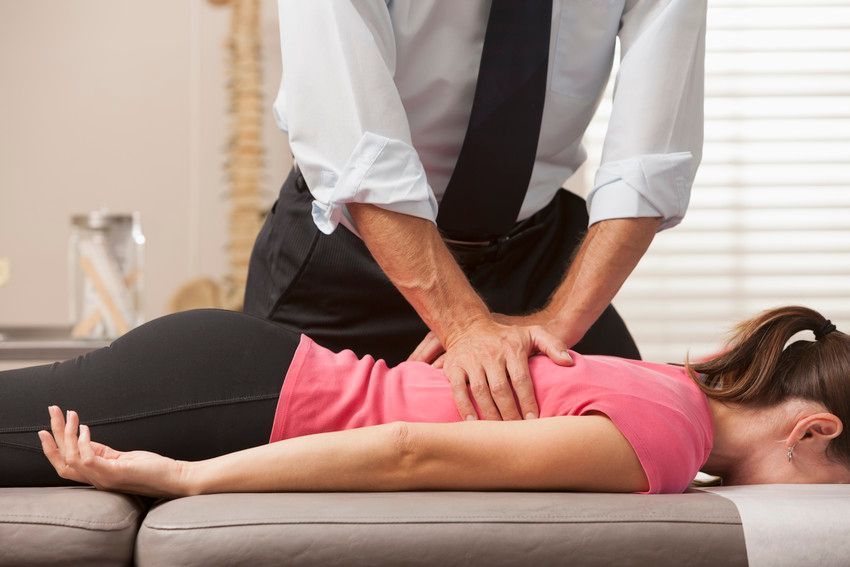
Manual therapy involves hands-on techniques that address muscles, joints, and other soft tissues. Depending on a patient's presentation and treatment plan, these techniques include joint mobilization, soft tissue work, guided stretching, and myofascial release. Practitioners select approaches according to their assessment and the patient's needs rather than applying identical techniques to every condition.
In contemporary rehabilitation, physical therapy combines clinical evaluation with interventions intended to address movement limitations and functional concerns. Manual techniques form one part of this process. Therapeutic exercise, movement training, posture education, and other interventions can complement hands-on care, depending on the person's condition and goals.
The distinction between individual techniques is important. Joint mobilization focuses on controlled movement of a joint, while soft tissue techniques address muscles and surrounding tissues. Myofascial release focuses on tissues surrounding muscles. These approaches differ in their application, and a clinician determines their relevance through an individualized evaluation.
Onofray's website describes hands-on treatment as a central component of its one-on-one sessions. Its services also include customized exercises and other treatment methods tailored to patient needs. This combination reflects an approach that considers both direct clinical care and the movement activities involved in daily life.
Evaluating Individual Needs Before Treatment
An appropriate treatment plan begins with understanding the person's symptoms, medical history, movement abilities, and goals. Pain in a particular area does not always identify the underlying source of a problem. Restricted movement, weakness, changes in posture, and limitations during everyday activities provide additional information that helps guide clinical decisions.
Onofray Physical Therapy describes an initial evaluation that includes a detailed interview and assessment. Its website identifies measurements such as range of motion, strength, flexibility, and functional ability as parts of this process. These findings help establish a clearer picture of the patient's current abilities and inform a plan of care.
Individual assessment also helps determine whether hands-on techniques fit the person's needs. Treatment decisions depend on the condition being addressed, relevant medical considerations, and the patient's response to care. Clear communication gives patients an opportunity to discuss concerns, ask questions, and understand the purpose of recommended interventions.
Goals can differ considerably between individuals. One person might focus on moving comfortably through household activities, while another wants to return to recreational sports after an injury. Someone recovering from surgery has different considerations from a person managing ongoing joint stiffness. Recognizing these differences keeps treatment relevant to each person's circumstances.
Addressing Pain and Movement Limitations
Musculoskeletal conditions can affect everyday activities in different ways. Back discomfort can make sitting, bending, or lifting difficult. Shoulder problems can interfere with reaching overhead or getting dressed. Joint stiffness can affect walking, household responsibilities, and participation in recreation. The location and nature of the symptoms help determine which clinical assessment and treatment approaches are appropriate.
Onofray provides services for conditions that include back and neck pain, arthritis, sciatica, shoulder injuries, joint stiffness, muscle strains, and orthopedic injuries. Its offerings also include post-surgical rehabilitation and total joint rehabilitation. These services address different functional concerns, so the evaluation and treatment plan depend on the patient's individual presentation.
For some conditions, hands-on techniques are combined with therapeutic exercise, posture training, or movement instruction. Exercise-based interventions address strength, flexibility, coordination, and functional movement according to the treatment plan. Manual techniques serve a different role, and their inclusion depends on the clinical findings.
The purpose of individualized care is to address the person's specific limitations rather than treating every diagnosis in the same way. Ongoing assessment provides opportunities to review progress, discuss changes in symptoms, and adjust the treatment approach when clinically appropriate.
Exploring In-Home Care and One-on-One Attention
Receiving care at home offers a different setting from attending a traditional clinic. Travel, scheduling, mobility limitations, and competing responsibilities can make appointments more difficult to manage for some individuals. In-home services bring professional treatment into a familiar environment and remove the need to travel to a clinic for each visit.
Onofray provides in-home care throughout Phoenix and surrounding communities. Its website highlights individualized, one-on-one sessions delivered by a licensed therapist in the patient's home. The practice offers 60- and 90-minute appointments, giving patients access to dedicated treatment time in a private setting.
A home visit also provides an opportunity to discuss movement within the environment where daily activities take place. Household layouts, frequently used spaces, and practical mobility concerns can help inform conversations about functional goals. The specific assessment and interventions still depend on the patient's needs and the clinician's professional judgment.
Onofray lists same-day appointment availability and package options on its website. Its fees page explains that the practice does not accept insurance directly but provides a superbill that patients can submit to their insurance company for potential reimbursement. Patients should confirm current scheduling, fees, and reimbursement details with the practice before arranging care.
Integrating Specialized Treatments Into Rehabilitation
Treatment approaches differ according to the condition, goals, and clinical findings. In addition to manual techniques and therapeutic exercise, Onofray lists cupping, dry needling, posture correction, and myofascial release among its treatment approaches. The practice also identifies dry needling certification and training in cupping techniques among its qualifications.
These interventions serve different purposes and are not appropriate for every patient. A clinician considers relevant health information, discusses the available options, and explains how a particular technique fits within the overall plan. Patients benefit from understanding what a treatment involves and how it relates to their functional goals.
The practice also offers specialized services for sports injuries, golf-related movement concerns, balance, pediatric orthopedic needs, prenatal care, and post-surgical recovery. Golf-focused services include injury rehabilitation, swing assessments, mobility work, and performance training. These offerings reflect the range of movement demands people encounter through work, recreation, and daily responsibilities.
Professional guidance is particularly important when symptoms change or a condition requires coordination with other healthcare providers. A clinician can explain the scope of treatment and identify circumstances that call for additional medical evaluation. Open communication helps patients understand their care and participate in decisions about their treatment plan.
Applying Historical Knowledge to Contemporary Care
The history of manipulative treatment offers perspective on the longstanding interest in hands-on approaches to physical function. Modern rehabilitation, however, relies on clinical assessment and individualized decision-making rather than historical precedent alone. Manual techniques are considered within the context of a person's condition, functional limitations, preferences, and treatment goals.
The combination of assessment, hands-on care, exercise, and patient education provides a structured way to address movement-related concerns. The appropriate mix of interventions differs from person to person, and treatment plans should reflect clinical findings rather than promises of a particular outcome.
For people seeking individualized
physical therapy in the Phoenix area, in-home appointments offer access to professional assessment and one-on-one treatment without traveling to a clinic.
Contact Onofray Physical Therapy to discuss your needs, learn about available services, and schedule an appointment.