August 28, 2026
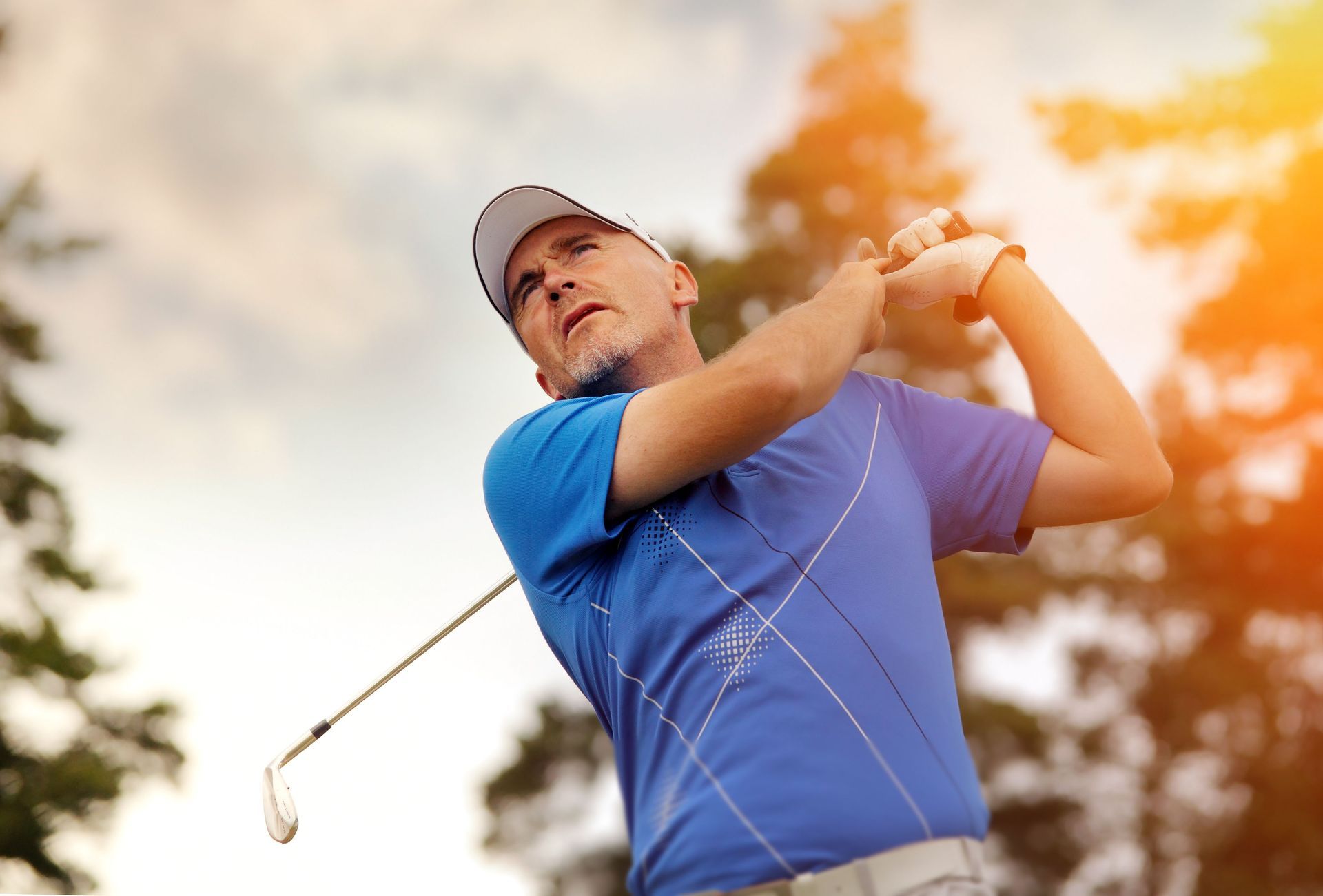
Golf may appear less physically demanding than many high-impact sports, but a successful swing requires coordinated movement throughout the entire body. The hips, spine, shoulders, elbows, wrists, knees, and ankles all contribute to generating force and controlling motion. When pain or injury affects one part of this system, golfers may struggle with their swing mechanics, endurance, balance, or confidence on the course.
The popularity of the sport also means that a significant number of people participate in golf-related activity. According to the National Golf Foundation, a total of 48.1 million Americans age 6+ participated in golf both on-course and off-course in 2025. With so many people enjoying the game, addressing injuries appropriately is an important part of helping golfers continue participating comfortably and effectively.
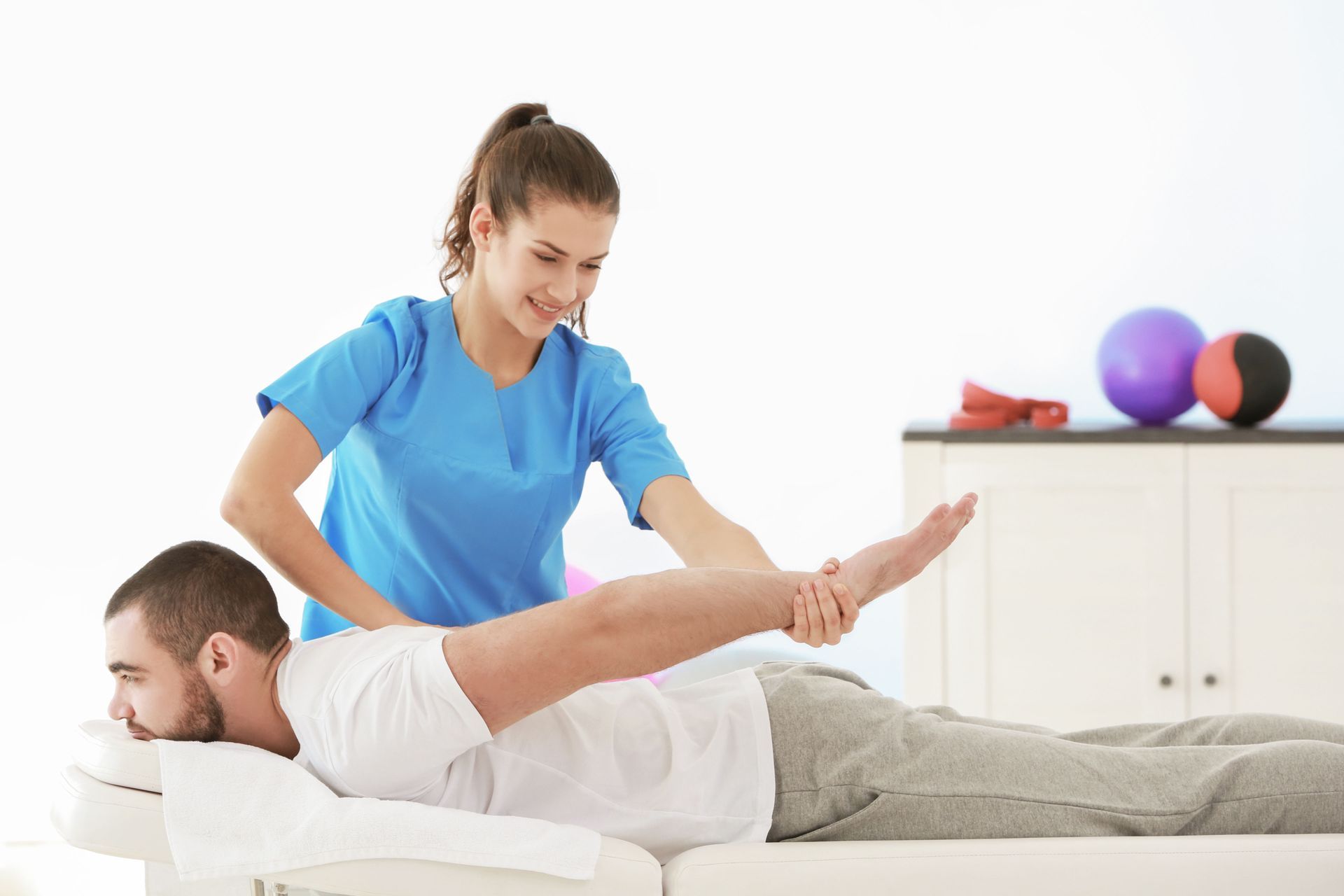
Professional golf injury rehab services focus on more than simply reducing discomfort. Rehabilitation can address mobility, strength, coordination, movement patterns, and the physical demands associated with swinging a club and navigating a course. A structured rehabilitation program can help golfers recover while preparing their bodies for a safer and more confident return to play.
Understanding the Source of Golf-Related Injuries
Golf injuries can develop suddenly, but many are associated with repetitive stress, inefficient movement patterns, or physical limitations that gradually place excessive strain on certain tissues. The golf swing is a complex rotational movement that requires different areas of the body to work together. When one region lacks mobility or stability, another region may compensate and absorb more stress than it should.
An evaluation performed as part of golf injury rehab services can help identify these contributing factors. A physical therapist can assess movement quality, joint mobility, muscular strength, balance, coordination, and other characteristics related to the golfer’s symptoms. Understanding how these factors interact creates a clearer foundation for rehabilitation and helps guide decisions about returning to golf.
Reducing Pain While Supporting the Healing Process
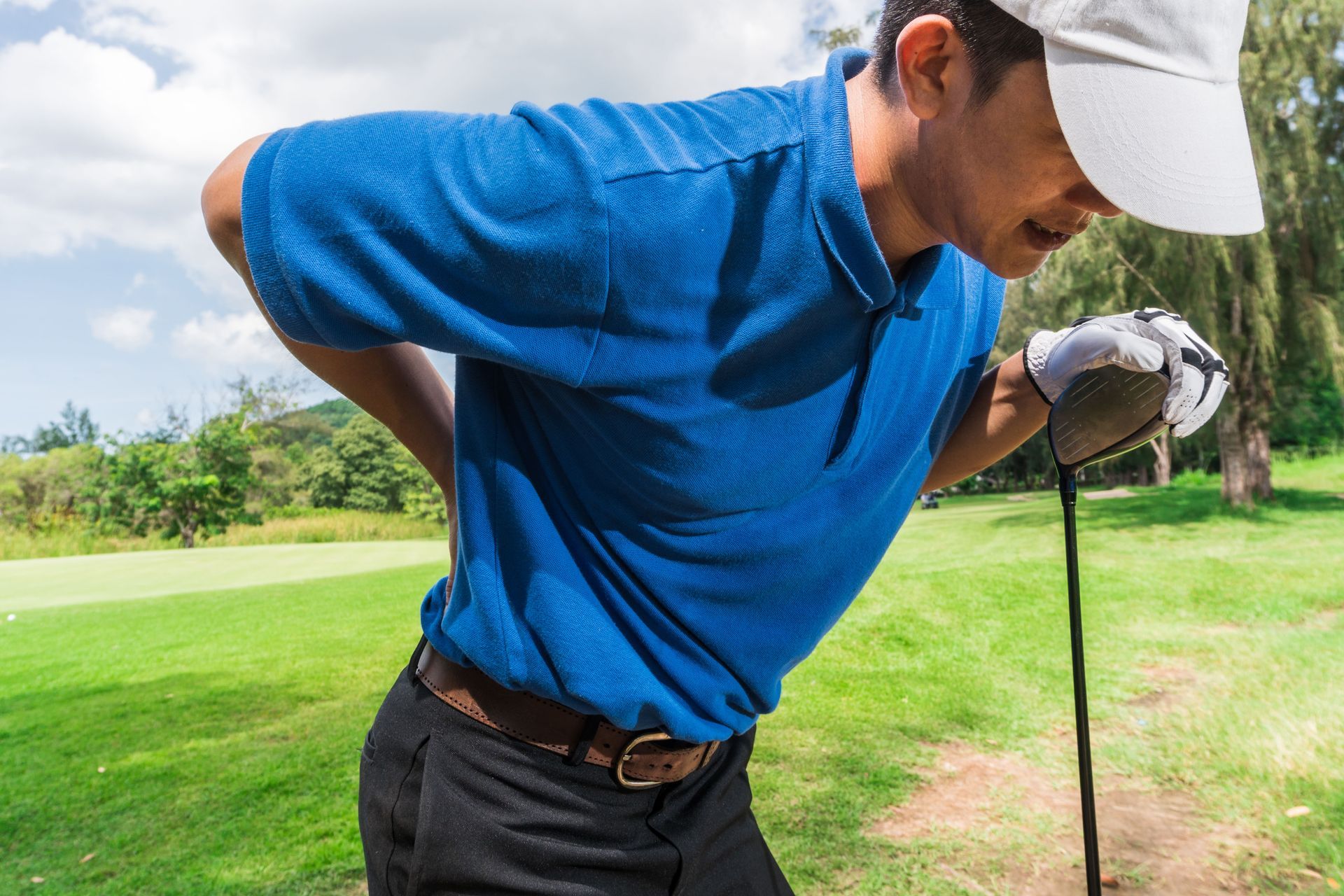
Pain can significantly change the way a golfer moves. Someone experiencing discomfort may shorten the backswing, shift weight differently, avoid rotating through the trunk, or alter the follow-through. Although these adjustments may occur naturally as the body attempts to protect an injured area, compensatory movements can create additional stress elsewhere.
Effective golf injury rehab services also consider how symptoms respond to different activities and movements. This allows rehabilitation to progress according to the golfer’s recovery rather than relying solely on how much time has passed since the injury occurred. As pain decreases and movement improves, the rehabilitation program can gradually shift toward restoring the physical abilities required for golf.
Restoring Mobility for a More Efficient Swing
Mobility plays an important role in golf because the swing requires coordinated movement across multiple joints and regions. The hips must contribute to rotation, the upper back needs adequate movement, and the shoulders must travel through a substantial range while maintaining control. Restrictions in these areas can alter swing mechanics and increase stress on surrounding tissues.
A golfer recovering from injury may also develop stiffness because of reduced activity or protective movement. Even after the initial symptoms improve, lingering restrictions can make it difficult to return to a comfortable swing. Rehabilitation can address these limitations while considering how mobility in one region affects movement elsewhere.
Through golf injury rehab services, mobility work can be incorporated into a broader treatment plan rather than treated as an isolated goal. The objective is not simply to become more flexible. Instead, rehabilitation focuses on developing useful mobility that allows the golfer to move efficiently while maintaining appropriate stability and control. This combination can support smoother movement and reduce the need for potentially stressful compensations.
Rebuilding Strength for the Demands of Golf
A golf swing involves much more than the arms. Force is generated and transferred through the lower body, hips, trunk, shoulders, and arms before reaching the club. Muscles throughout the body must produce force while also controlling rotation, maintaining posture, and helping the golfer remain balanced.
An injury can disrupt this process by causing weakness, reduced muscular endurance, or hesitation during certain movements. Time away from golf may further affect physical capacity, particularly when an injury has limited normal exercise and recreational activity. Returning to full swings without rebuilding these capabilities can leave the golfer physically unprepared for repeated practice or a complete round.
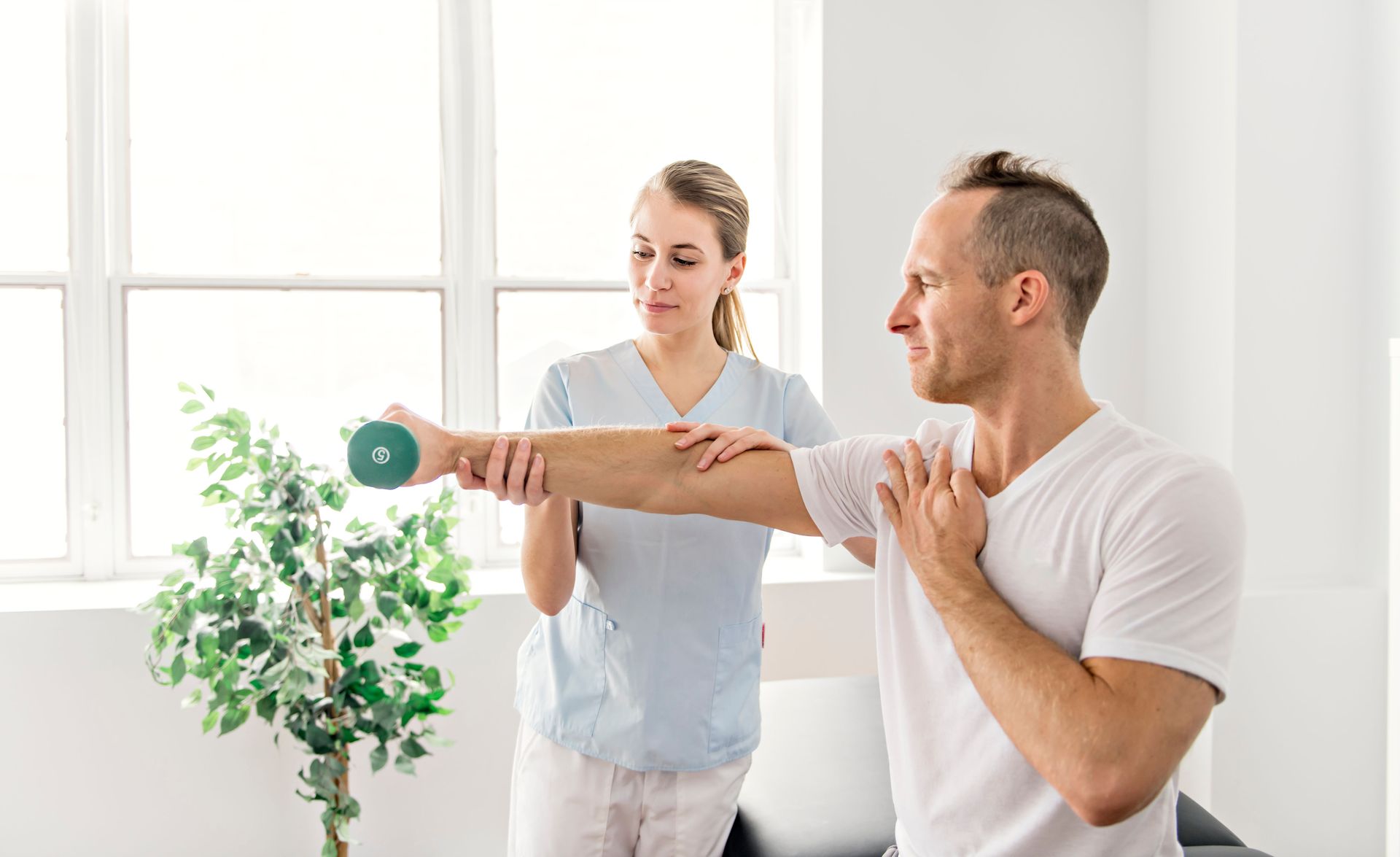
Strength development within golf injury rehab services is therefore tailored to the individual’s needs and recovery. Rehabilitation may address the muscles surrounding the injured area while also strengthening other regions involved in the golf swing. The goal is to create a more capable physical foundation so the golfer can tolerate the forces and repeated movements associated with playing.
Improving Balance and Movement Control
Balance is essential throughout the golf swing. A golfer must control shifts in pressure and body position while rotating rapidly and maintaining enough stability to strike the ball consistently. An injury affecting the lower body, trunk, or even upper body can influence this coordination and make movement feel less secure.
Movement control is equally important. Having sufficient strength and mobility does not automatically mean the body will use those qualities effectively during a golf-specific motion. Rehabilitation can help reconnect these elements by emphasizing coordinated movement and controlled transitions between positions.
This is another reason golf injury rehab services extend beyond symptom management. Physical therapy can help golfers improve awareness of how their bodies move and identify patterns that may place unnecessary stress on recovering tissues. As control improves, rehabilitation can incorporate movements that increasingly resemble the physical requirements of golf, helping bridge the gap between general recovery and sport participation.
Preparing the Body for a Gradual Return to Golf
Feeling better during daily activities does not necessarily mean the body is ready for the demands of golf. Walking, sitting, and completing routine tasks may no longer cause symptoms, yet repeated swings can introduce substantially different forces and movement requirements. A successful return therefore involves more than waiting for pain to disappear.
Rehabilitation can help determine whether important physical qualities have been restored before golf activity increases. Mobility, strength, balance, endurance, and movement tolerance can all influence readiness. The therapist can also observe how the golfer responds as golf-related demands become more challenging.
A return-to-play approach within golf injury rehab services allows physical demands to increase in a controlled manner based on the golfer’s progress. This can help identify lingering limitations before they become significant problems on the course. It can also give golfers greater confidence because their return is supported by measurable improvements in physical function rather than symptoms alone.
Preventing Compensation From Becoming a Lasting Problem
One challenge after injury is that compensatory movement can remain even after the original pain has improved. A golfer who spent time avoiding rotation, protecting one leg, or limiting shoulder movement may continue using that altered pattern out of habit. Over time, these changes can influence performance and potentially place excessive stress on other areas.
The preventive value of golf injury rehab services comes from addressing factors that may contribute to repeated irritation or inefficient movement. While no rehabilitation program can eliminate every possibility of future injury, improving physical capacity and movement quality can help golfers return with a body that is better prepared for the demands of the sport.
Returning to the Course With Greater Confidence
Recovering from a golf injury involves more than waiting until discomfort subsides. Golfers need adequate mobility to rotate, strength to generate and control force, balance to maintain stable positions, and endurance to tolerate repeated activity. Just as importantly, they need confidence that their bodies can handle the movements required during practice and play.
A comprehensive rehabilitation approach connects each stage of recovery with the eventual goal of returning to golf. Rather than treating the injury as an isolated problem, golf injury rehab services can evaluate the golfer’s overall movement and help restore the physical qualities that contribute to a comfortable, controlled swing.
At Onofray Physical Therapy, we understand that getting back on the course requires care that considers both your injury and the physical demands of your game. Our team can evaluate your movement, develop an individualized rehabilitation plan, and help you work toward a safe and confident return to golf. Contact us to learn how we can support your recovery and help you move toward playing comfortably again.