June 9, 2026
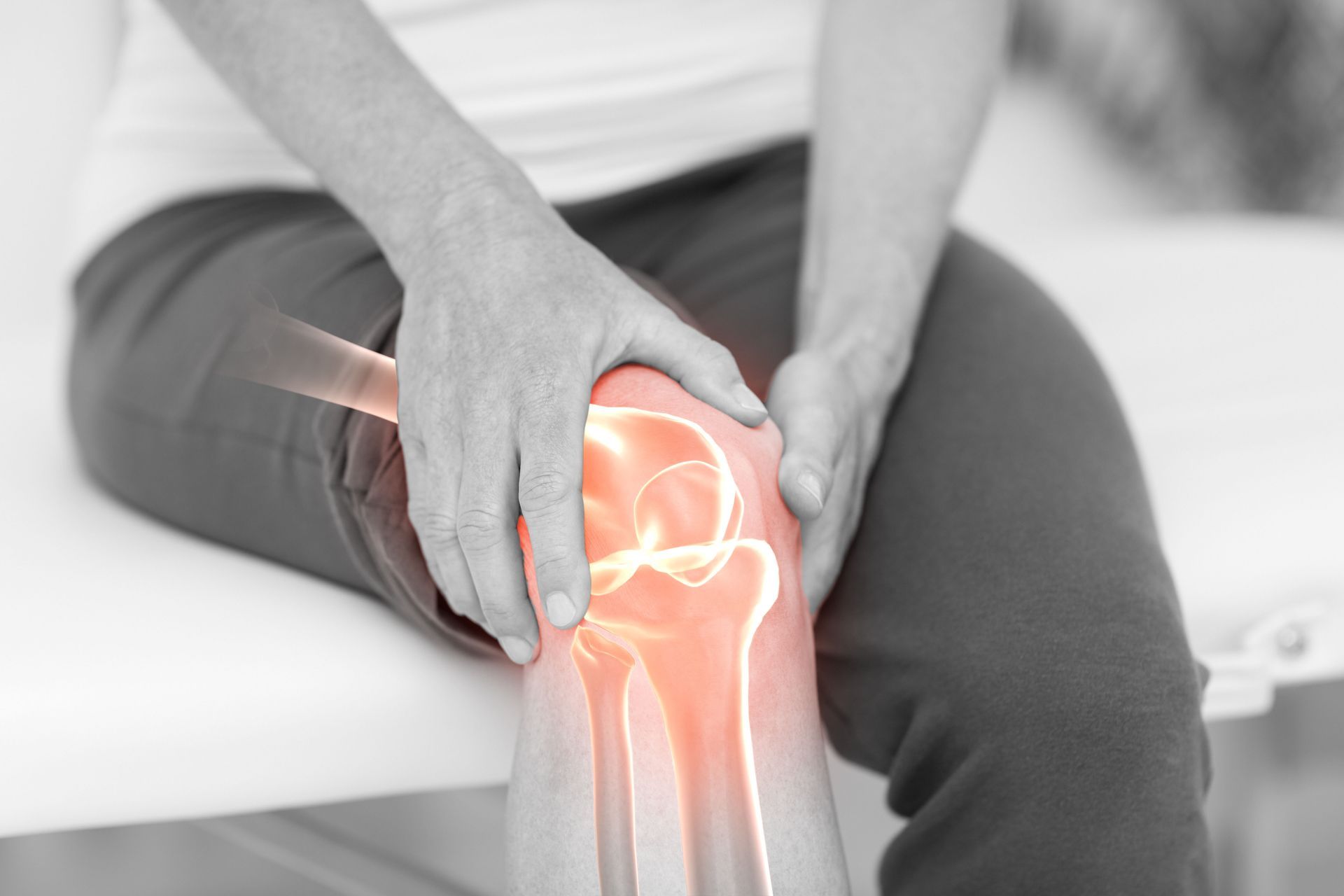
Knee pain is a common ailment that can significantly impact your daily life. While some knee pain may resolve on its own, certain signs indicate it's time to seek professional help. According to American Family Physician, knee pain affects 25% of adults, and its prevalence has risen nearly 65% over the past 20 years. Being such a common problem, it is important to know the critical signs you should not ignore when it comes to knee pain and the importance of timely medical intervention. By becoming informed about these signs, you can better safeguard your health and well-being.
1. Persistent Pain
Duration of Pain
When experiencing knee pain, the duration can provide significant insight into whether professional intervention is necessary. Typically, acute pain may arise from a minor injury and resolve within a few days. However, if pain persists beyond a few weeks without improvement, it suggests a more serious problem that requires medical evaluation. Chronic pain that lasts for months can be indicative of conditions such as osteoarthritis or tendinitis. Early intervention can prevent further deterioration and aid in finding effective treatment solutions.
Unrelieved by Rest
Normal wear and tear from daily activities can cause knee discomfort, usually alleviated by rest. When pain persists even after ample rest, it may be a sign of underlying joint issues that need to be addressed. Persistent pain despite rest could hint at issues such as cartilage degeneration or ligament damage. This kind of pain is a clear indication that professional medical help is necessary to diagnose and treat the condition properly. Ignoring it can lead to more severe problems and affect overall joint health.
Pain During the Night
Nocturnal knee pain is often more than just an inconvenience; it can be a symptom of a more severe condition. Pain that disrupts sleep or causes one to wake up frequently during the night can hint at chronic inflammatory conditions such as arthritis. Such a pattern of pain often necessitates a thorough medical assessment to determine its source and extent. Untreated nocturnal pain can contribute to sleep deprivation, which in turn exacerbates pain perception and decreases quality of life.
2. Limited Range of Motion
Difficulty Bending
Knee pain that results in difficulty bending the joint is often indicative of deeper structural issues. Such limitations can prevent routine movements like walking up stairs or sitting down comfortably. When bending the knee becomes challenging and is accompanied by pain, it might point to cartilage damage, bursitis, or ligament strains. This limitation can severely impact daily activities and requires professional assessment to prevent further harm. Early diagnosis can lead to therapeutic solutions that restore mobility and enhance life quality.
Stiffness After Inactivity
Experiencing stiffness after periods of inactivity, such as sitting or sleeping, can signal potential joint issues. This kind of stiffness, particularly when persistent, is a common symptom associated with osteoarthritis or other degenerative conditions. If stiffness does not improve with movement or exercise, it necessitates a professional medical assessment. Addressing this stiffness early can prevent further deterioration and facilitate more effective treatment strategies. Engaging with healthcare providers at the onset of these symptoms can safeguard joint health.
Locking or Catching Sensation
A knee that locks or catches while moving can be both alarming and debilitating. This sensation can arise due to loose cartilage fragments, meniscus tears, or other mechanical issues within the joint. Knee locking not only hinders movement but can also significantly increase the risk of falls and related injuries. Professional medical attention is recommended to address this issue and prevent further complications. Diagnostic imaging and other assessments can help determine the root cause and appropriate treatment plan.
3. Joint Instability
Buckling or Giving Way
Joint instability characterized by the knee buckling or giving way requires immediate medical attention. This unsettling symptom can be caused by ligament damage, such as an ACL tear, which compromises joint stability. Such instability significantly increases the risk of falls, leading to further injuries. Professional evaluation often includes imaging and physical examination to determine the cause of instability. Proper treatment can restore stability, enhancing mobility and preventing future incidents.
Frequent Need for Support
Relying on external supports like braces or canes may indicate underlying knee instability. This need for support often suggests that the knee cannot independently manage the stress of daily activities. It's crucial to address the cause of this dependence to restore natural mobility and prevent further joint deterioration. Consultation with a healthcare professional can assess knee function and recommend appropriate interventions.
Effusion or Fluid Build-Up
Knee effusion, or fluid build-up, is typically a response to inflammation or trauma within the joint. Excess fluid can cause noticeable swelling and discomfort, impacting joint mobility. The presence of effusion warrants medical evaluation to determine its cause and alleviate symptoms. Treatment may involve draining the fluid or addressing the underlying condition causing inflammation. Early intervention can minimize pain and improve joint function, supporting long-term knee health.
4. Changes in Physical Appearance
Visible Deformity
Visible deformities in the knee area may indicate serious underlying issues requiring professional evaluation. Changes in the knee's shape or alignment often result from structural changes due to injury or chronic conditions like arthritis. Such deformities not only cause pain but also hinder function and movement. Immediate medical attention is necessary to understand the cause of the deformity and initiate corrective measures. Proper diagnosis and treatment can prevent further deterioration and improve aesthetic and functional outcomes.
Altered Joint Alignment
Alterations in joint alignment can significantly affect knee function and quality of life. Misalignment may cause uneven wear and tear, contributing to accelerated joint degeneration. Frequently, these changes in alignment require a comprehensive assessment to determine their cause and implement corrective actions. By addressing these changes early, it is possible to prevent more severe joint damage and restore proper alignment. Intervention can include physical therapy, braces, or surgical options, depending on the severity and cause of the misalignment.
Swelling and Redness
Swelling and redness around the knee are classic signs of inflammation or infection that require medical attention. These symptoms often accompany conditions like bursitis or tendinitis and can indicate more severe issues if left unchecked. Moreover, persistent swelling is closely associated with fluid accumulation within the joint, further demanding professional evaluation. Timely diagnosis and treatment of the underlying cause can alleviate the swelling and prevent further complications. Ensuring proper management of knee health is vital in maintaining overall joint function.
5. Impact on Daily Activities
Difficulty with Walking
Experiencing difficulty walking due to knee pain or instability significantly affects day-to-day life. This challenge often requires professional intervention to identify the cause and restore function. Whether it's difficulty taking steps or an altered gait, these symptoms suggest a need for medical assessment. Persistent walking difficulties can be debilitating, impacting both physical and mental well-being. By seeking professional help, it is possible to improve mobility and regain independence in daily activities.
Trouble Climbing Stairs
Challenges in ascending or descending stairs are common among individuals with knee problems. This difficulty highlights potential weakness or instability within the joint and merits medical attention. The inability to navigate stairs effectively can have significant impacts, reducing independence and mobility. A professional assessment to determine the root cause of this issue can lead to more effective management and treatment options. Early intervention can prevent further decline in function and support continued engagement in everyday activities.
Reduced Ability to Exercise
Knee pain that limits exercise and physical activity should be addressed by healthcare professionals. Reduced activity levels not only impact physical health but can also lead to further deterioration of knee function. By identifying the problem through professional evaluation, appropriate interventions can be implemented to restore exercise capability. Maintaining an active lifestyle is crucial for overall health, and addressing knee limitations can support long-term well-being. Professional assessments can guide treatment plans to enhance activity and prevent further joint issues.
Ignoring knee pain can lead to more severe complications and impact your overall health. Knowing when it's time to seek professional help can prevent further damage and promote quicker recovery. Early intervention can significantly improve outcomes, ensuring long-term joint health and well-being. By recognizing these critical signs, individuals can take proactive steps in managing their knee health, preventing unnecessary suffering, and promoting optimal quality of life. To have a professional look deeply into your knee pain without the stress of leaving home, schedule an appointment with Onofray Physical Therapy today.