January 26, 2026
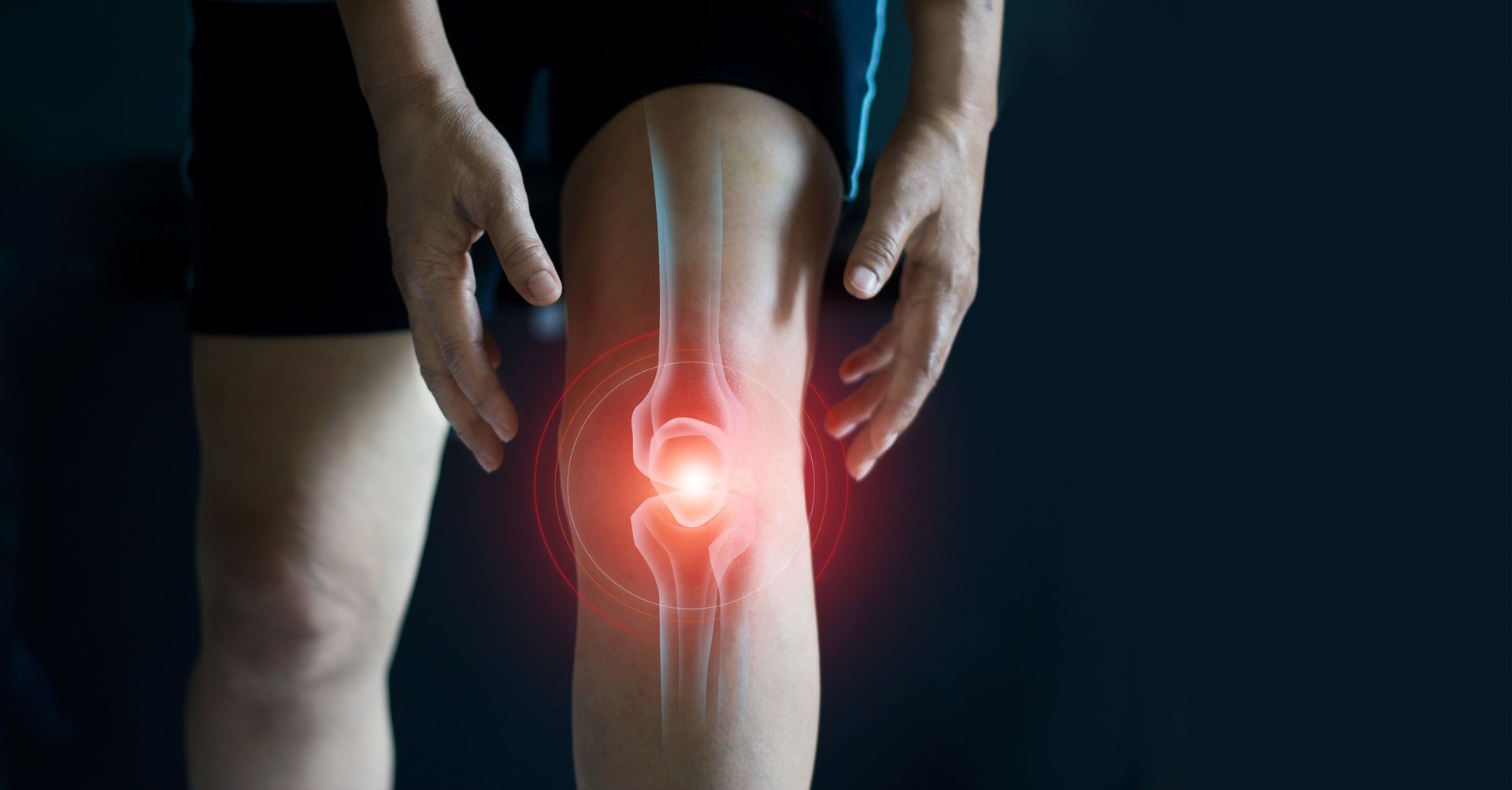
Knee injuries can be frustrating and limiting, especially when everyday activities like walking, climbing stairs, or even sitting become painful. For those experiencing knee pain, early intervention through physical therapy can make a substantial difference in recovery outcomes. Rather than waiting for symptoms to worsen, beginning a structured rehabilitation program as soon as possible helps restore strength, mobility, and confidence while reducing the risk of long-term complications.
Understanding Knee Injuries and Their Impact
Knee injuries come in many forms, from ligament tears and cartilage damage to meniscus injuries and strains. Each injury type affects the joint differently, but the common thread is pain and limited function. According to American Family Physician, knee pain affects approximately 25% of adults, and its prevalence has increased almost 65% over the past 20 years, highlighting the importance of timely intervention and structured rehabilitation. Knee pain can interfere with both daily life and athletic performance, making it difficult to maintain routines or return to preferred activities. Early attention to these injuries allows physical therapists to assess the exact problem and design a program that targets the affected structures without causing additional strain.
Ignoring knee pain or delaying treatment can lead to compensatory movements, where other joints and muscles take over to protect the injured area. This can create imbalances and even cause secondary injuries, extending recovery time. Addressing injuries early reduces these risks and keeps the surrounding muscles engaged and healthy.
Understanding the Role of Inflammation in Recovery
Immediately after a knee injury, inflammation is a natural response. Swelling, warmth, and tenderness are signs that the body is sending blood and nutrients to the damaged area to start the healing process. While this is necessary, prolonged or uncontrolled inflammation can hinder recovery and increase pain. Early physical therapy provides guidance on safe ways to manage swelling, including controlled movement and gentle exercises that promote circulation without aggravating the joint.
Physical therapists also teach patients how to monitor their knees and recognize signs of excessive inflammation. This proactive approach can prevent setbacks and allow recovery to progress steadily, ensuring the knee joint maintains its function and stability during the healing process.
Preventing Muscle Atrophy
One of the hidden challenges after a knee injury is the rapid loss of muscle mass, particularly in the quadriceps and hamstrings. Knee pain often discourages movement, leading to atrophy that makes it harder to regain strength once activity resumes. Starting physical therapy early helps maintain muscle engagement, even with gentle or assisted exercises.
By targeting key muscle groups, therapists ensure that patients retain as much strength as possible during the early stages of recovery. This not only speeds up rehabilitation but also helps prevent future knee pain and re-injury by providing better support and stability for the joint.
Restoring Range of Motion
Knee stiffness is another common issue after injury. Without early intervention, joints can become limited in their range of motion, making it difficult to bend, extend, or perform everyday movements. Early physical therapy focuses on safe techniques to gradually restore flexibility and prevent scar tissue from limiting mobility.
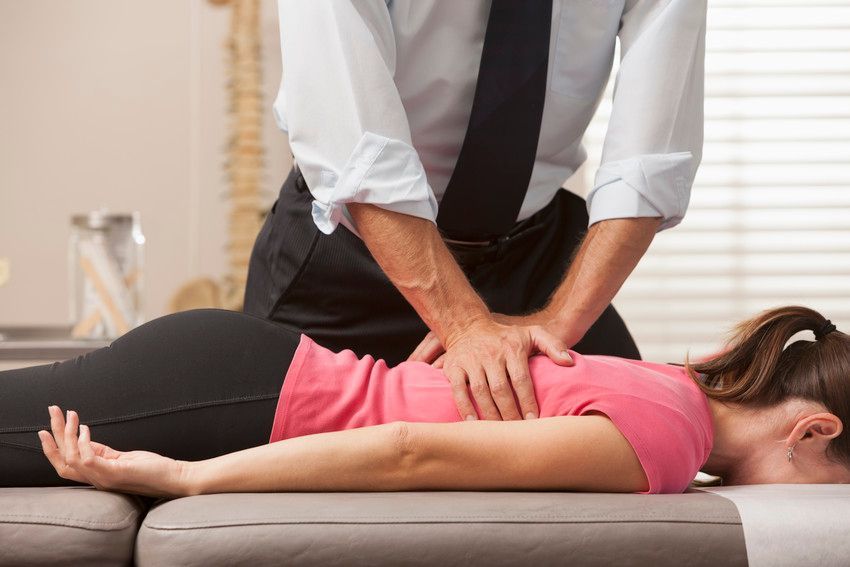
Exercises and manual therapy used in these sessions encourage the joint to move within a controlled range, minimizing pain while promoting healing. This approach helps patients maintain normal gait patterns and prepares the knee for more intense strengthening as recovery progresses.
Improving Balance and Stability
Injured knees often compromise balance and stability, as the body subconsciously shifts weight to protect the affected area. This can increase the risk of falls or additional injuries. Early physical therapy incorporates exercises that improve proprioception, or the body’s awareness of joint position, to enhance stability.
By training the muscles and nerves around the knee, patients regain confidence in their movement. Better balance reduces the risk of re-injury and ensures that daily activities, from walking on uneven surfaces to performing work tasks, can be done safely.
Minimizing Chronic Pain
Delaying treatment can lead to long-term knee pain, even after the initial injury has healed. Chronic pain often develops due to compensatory movements, muscle weakness, or persistent inflammation. Engaging in early physical therapy helps address these factors proactively.
Targeted strengthening, flexibility, and mobility exercises allow the knee to heal in alignment with its natural mechanics. This reduces the likelihood of ongoing discomfort and helps patients return to regular activity without lingering pain or limitations.
Supporting Overall Function
Physical therapy is not just about treating the knee; it’s about supporting overall function. Knee pain can affect the hips, ankles, and even the lower back if compensatory movements develop. Early intervention ensures that rehabilitation addresses the body as a whole, creating better coordination and movement patterns.
Therapists design programs that integrate functional exercises, such as squats or lunges, in a controlled manner. This encourages the body to move efficiently while protecting the injured joint, allowing patients to return to daily routines and sports with improved overall performance.
Understanding the Mental Benefits of Early Rehabilitation
Knee injuries can be mentally challenging, causing frustration, anxiety, or fear of movement. Early physical therapy provides a structured plan and measurable progress, which can boost confidence and motivation. Patients often find reassurance in knowing they are actively contributing to their recovery rather than waiting passively.
Therapists also provide education about the healing process, expected milestones, and self-monitoring strategies. This guidance reduces uncertainty, encourages adherence to treatment plans, and helps patients maintain a positive mindset during recovery.
Customizing Recovery Plans
Every knee injury is unique, and early intervention allows physical therapists to create customized recovery plans. Factors such as age, activity level, injury severity, and medical history all influence the approach. Early sessions help therapists assess progress and adjust exercises before complications arise.
Custom plans also account for the patient’s lifestyle, ensuring that rehabilitation aligns with daily activities, work responsibilities, and recreational goals. This personalized attention maximizes the efficiency of recovery and helps patients achieve better outcomes faster.
Preventing Future Injuries
Early physical therapy not only addresses current knee pain but also reduces the risk of future injuries. Strengthening muscles, improving flexibility, and correcting movement patterns create a more resilient joint. Patients often notice improved performance in sports or daily activities, with fewer incidents of strain or reinjury.
By integrating preventive strategies early in recovery, patients maintain stronger, healthier knees and enjoy greater confidence in their physical abilities. Ongoing guidance from a professional knee rehabilitation team reinforces safe practices and long-term joint health.
Tracking Progress and Adjusting Goals
Regular sessions with a physical therapist allow patients to track improvements in strength, range of motion, and pain levels. Early involvement means that benchmarks are set from the beginning, creating a clear roadmap for recovery. Progress can be monitored closely, and exercises adjusted to challenge the knee appropriately without overloading it.
Consistent assessment helps identify any setbacks early, allowing for quick interventions to avoid delays. Patients benefit from seeing measurable improvements, which enhances motivation and adherence to the recovery plan.
Recovering from a knee injury can be a long and challenging process, but early physical therapy significantly improves outcomes. Addressing knee pain promptly reduces the risk of chronic discomfort, preserves muscle strength, restores mobility, and promotes confidence in movement. Working with trained professionals ensures recovery is safe, effective, and aligned with the body’s natural healing process. If you are experiencing knee pain, reach out to Onofray Physical Therapy to schedule a consultation and take the first step toward regaining strength, function, and comfort.